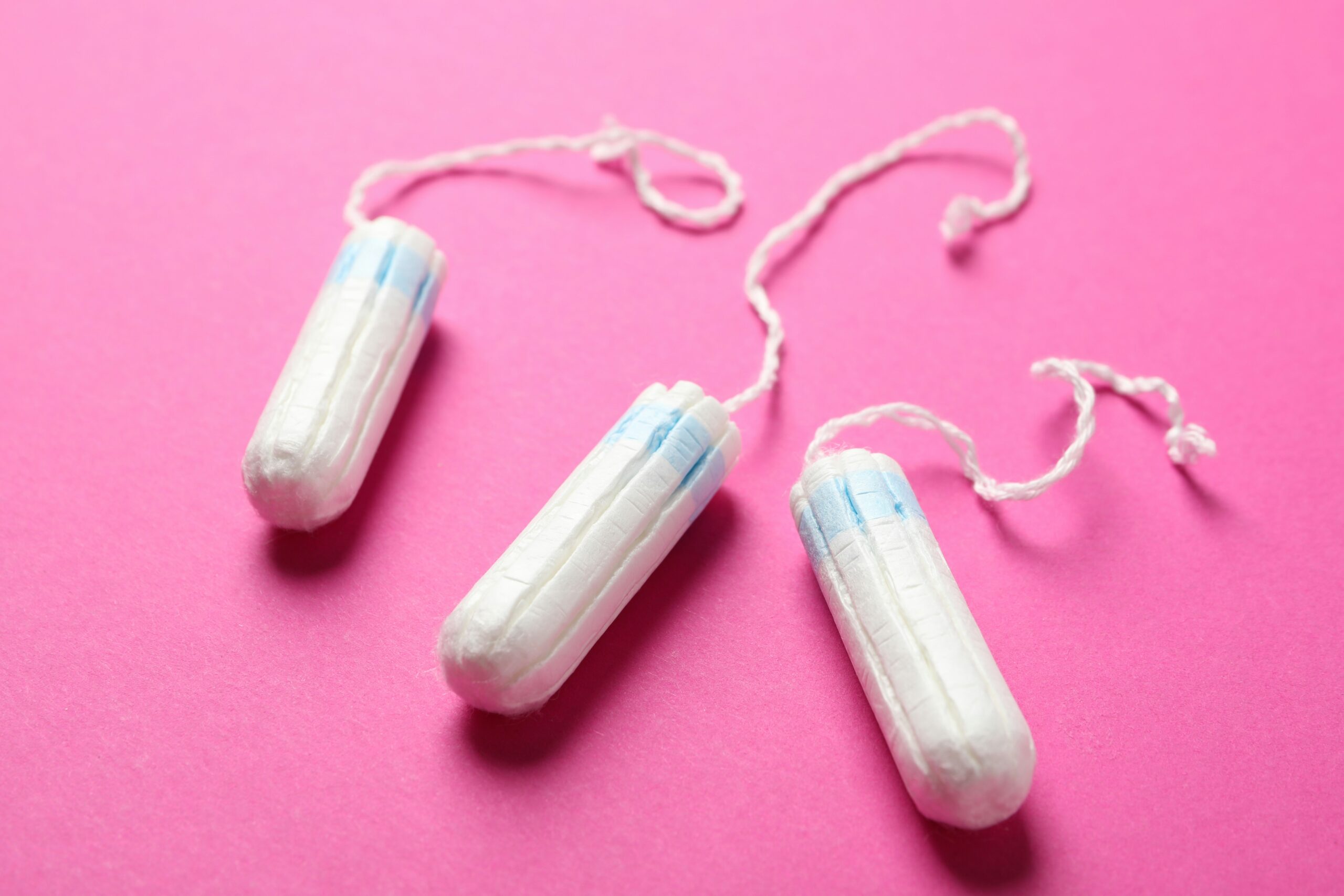
Tampons are a popular choice for managing periods, and it’s easy to see why, they’re convenient, discreet, and let you move around comfortably. But even though they’re widely used, it’s important to remember that things can go wrong if you don’t use them safely.
When you’re on your period, life doesn’t stop. You’re working, running errands, caring for others, or just trying to get through the day. In the middle of all that, it’s very easy to lose track of when you last changed your tampon. But leaving a tampon in for too long can put your health at risk, and this is something you really shouldn’t ignore.
One of the most serious risks is Toxic Shock Syndrome (TSS). It’s rare, but when it happens, it can be life-threatening. TSS is caused by certain bacteria, like Staphylococcus aureus or Streptococcus pyogenes, that produce toxins under the right conditions. If those toxins enter your bloodstream, your body can have a severe, rapid reaction that requires urgent medical care.
Tampons don’t directly cause TSS, but they can create the ideal environment for bacteria to multiply. A warm, moist space that’s left undisturbed for hours gives bacteria time to grow and release toxins. Super-absorbent tampons can sometimes add to this risk because they hold more fluid and may stay in longer.
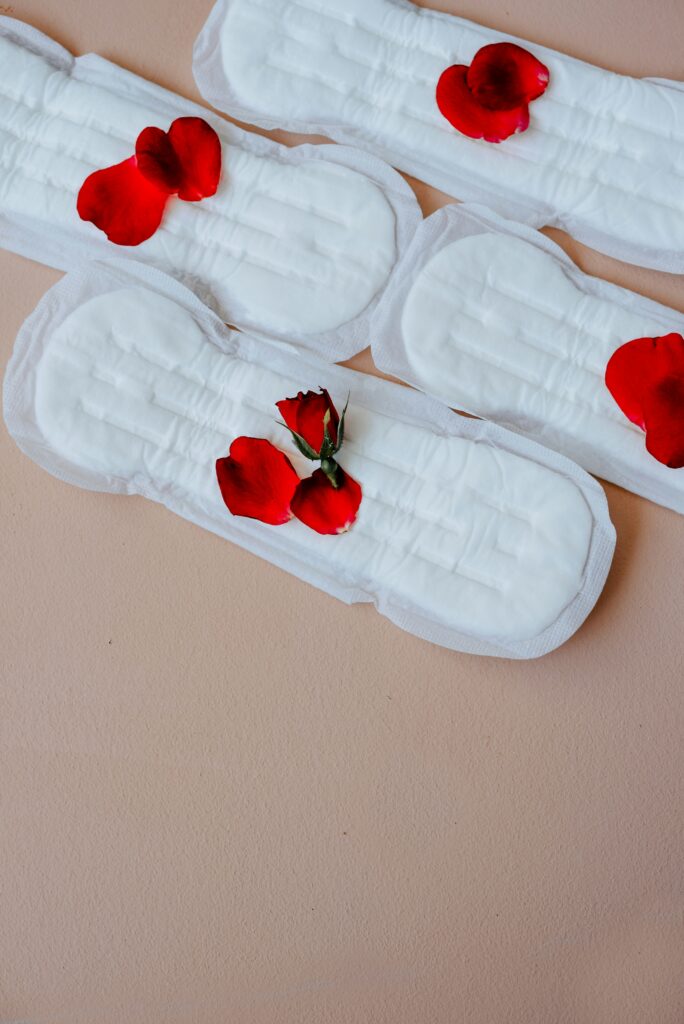
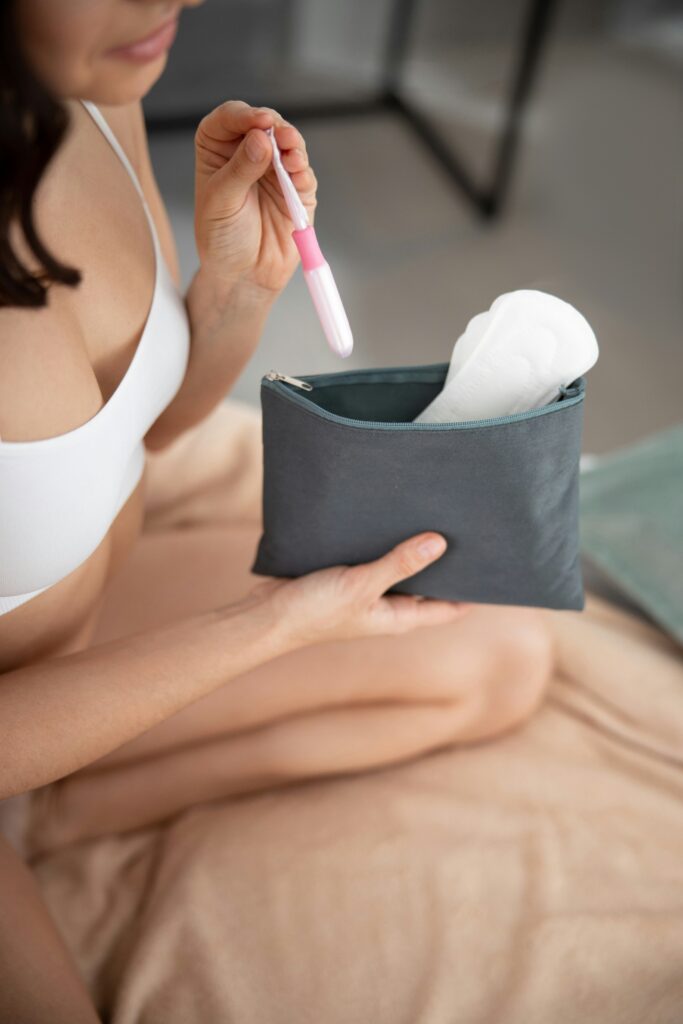
To keep yourself safe, it helps to make a few simple habits part of your routine. Choosing the lowest absorbency that matches your flow is always safer than using high-absorbency tampons unnecessarily. Lighter absorbency means less chance for bacteria to thrive. Changing your tampon every four to eight hours is another important step, it keeps your body from becoming a place where bacteria can build up. If you’re about to go to bed, consider switching to a pad so you’re not going through the night with a tampon still in.
It’s also a good idea to give your body a break sometimes. On days when your period is lighter, try alternating between tampons and pads, or use a menstrual cup if you prefer. These options help reduce the amount of time bacteria have the conditions they need to grow.