My Role in Promoting Menstrual Health Awareness in My Community
By Favour Isaiah
It saddens me that something as natural as menstruation could determine whether a girl attends school, smiles confidently, or hides in shame. A simple sanitary pad can sometimes make the difference between dignity and embarrassment. These experiences reflect the silent reality of many girls in my community and school.
The first time I experienced my period, I was unprepared, not just physically but emotionally. I had heard whispers about menstruation, mostly frightening stories filled with pain and secrecy, and stories of how many girls, especially those in rural areas, lacked access to proper menstrual hygiene products. There were few conversations and even less education about menstruation, except for what I had been taught in JSS2 by my Home Economics teacher.
During my first period, I struggled with cramps and discomfort, but what troubled me most was the fear of staining my school uniform because I did not always have access to proper sanitary pads. In those moments, I felt small and invisible. That experience opened my eyes to a painful truth: menstrual health is still misunderstood, under-discussed and undervalued.
Instead of allowing that experience to silence me, I decided to let it shape me. As an SS2 student, I have taken it upon myself to promote menstrual health awareness in my school and community, starting with education and open conversations. I believe that change does not require wealth or age; it requires willingness and courage.
Through the Girl Child Academy, an initiative focused on empowering the girl child, I attend workshops, seminars and events where I volunteer and mentor girls my age on menstrual health awareness and self-care. As I grow, my goal is to establish a menstrual wellness initiative called Favorite Care Foundation, through which I hope to empower young girls in my community through menstrual health education, sex education, skills development and other forms of support.
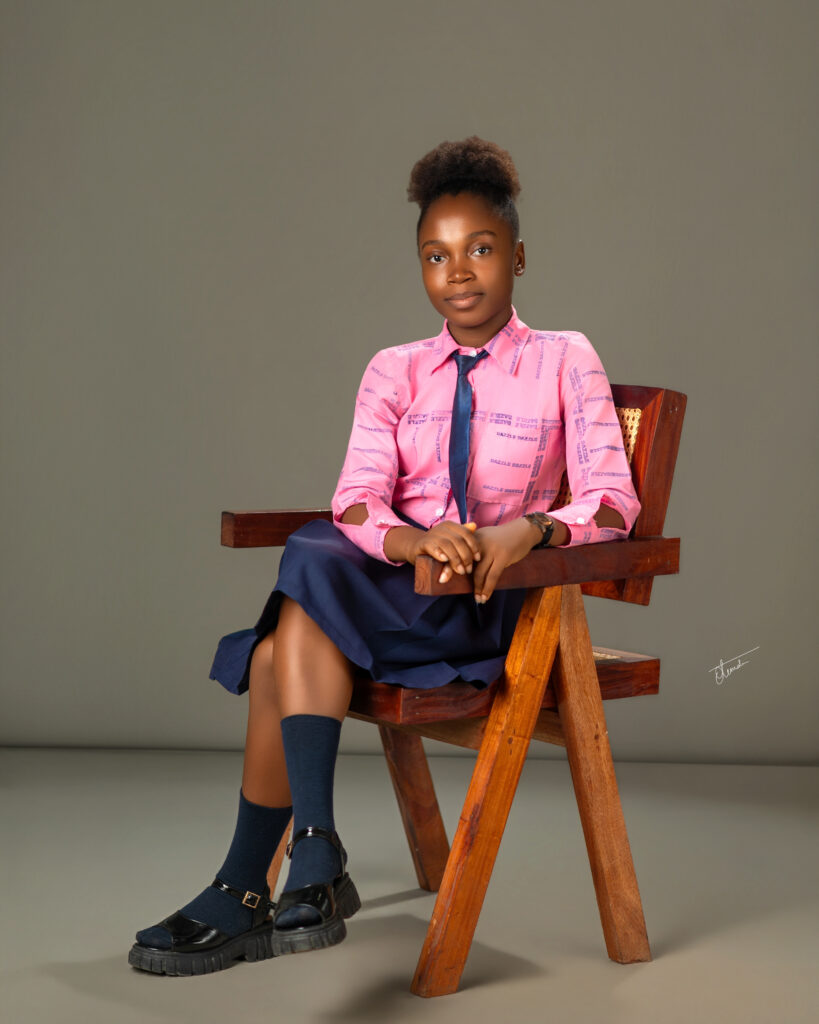
I am passionate about building this initiative to support girls both physically and emotionally during their menstrual cycles. I hope to design curated period-care packages and gift boxes containing sanitary products as well as thoughtful items that provide comfort for girls. However, beyond providing materials, my main focus is awareness. Many girls do not fully understand their menstrual cycles, hygiene practices, or when to seek medical help. Information is power, and I am determined to make it accessible.
To deepen this impact, I hope to make Favorite Care Foundation a safe space where girls and young women can discuss menstrual health openly without fear of judgement. In this safe space, we would talk about topics such as managing cramps, understanding hormonal changes, tracking menstrual cycles and debunking harmful myths.
Education is my strongest advocacy tool. Currently, I speak to my classmates about proper menstrual hygiene management and encourage them to see menstruation as a natural biological process, not a curse. I also emphasise that menstrual health is part of overall health. Global health organisations such as the World Health Organization recognise menstrual health as an important health and human rights issue, with implications for well-being and gender equality. This understanding strengthens my resolve to continue raising awareness at the grassroots level.
Another key part of my role is promoting inclusion. I believe boys and men should also be part of menstrual health conversations. Educating boys about menstruation can help reduce teasing and stigma while encouraging greater understanding and support. They can grow into supportive brothers, husbands, friends and future leaders. Encouraging empathy also supports the broader principles of gender equality and dignity championed by organisations such as UN Women.
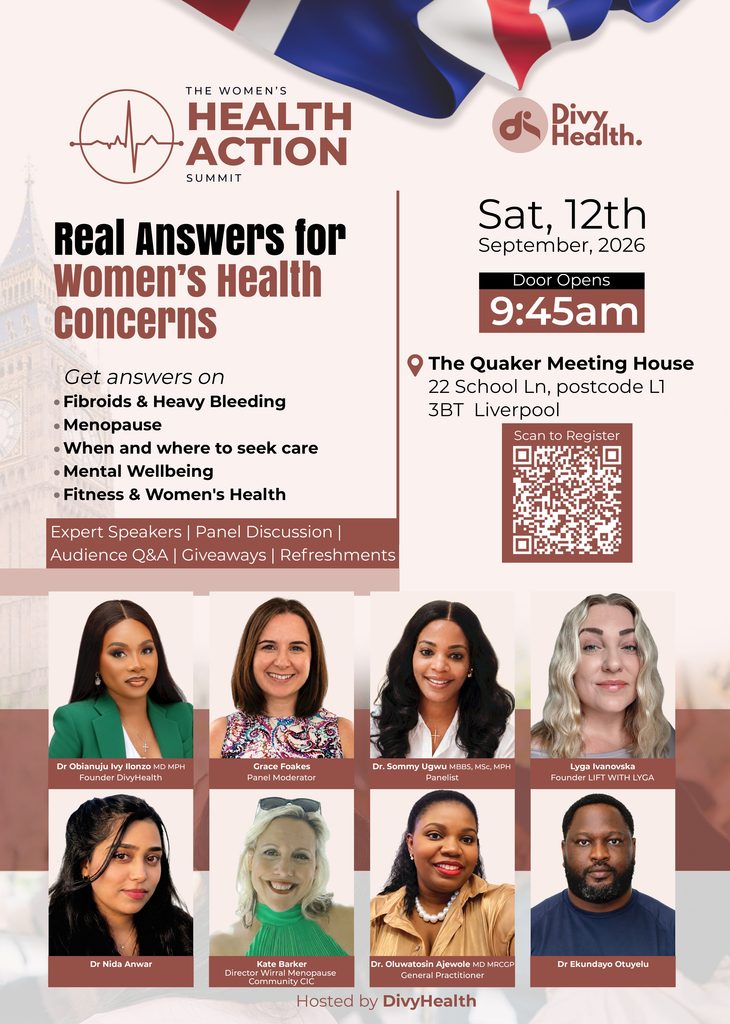
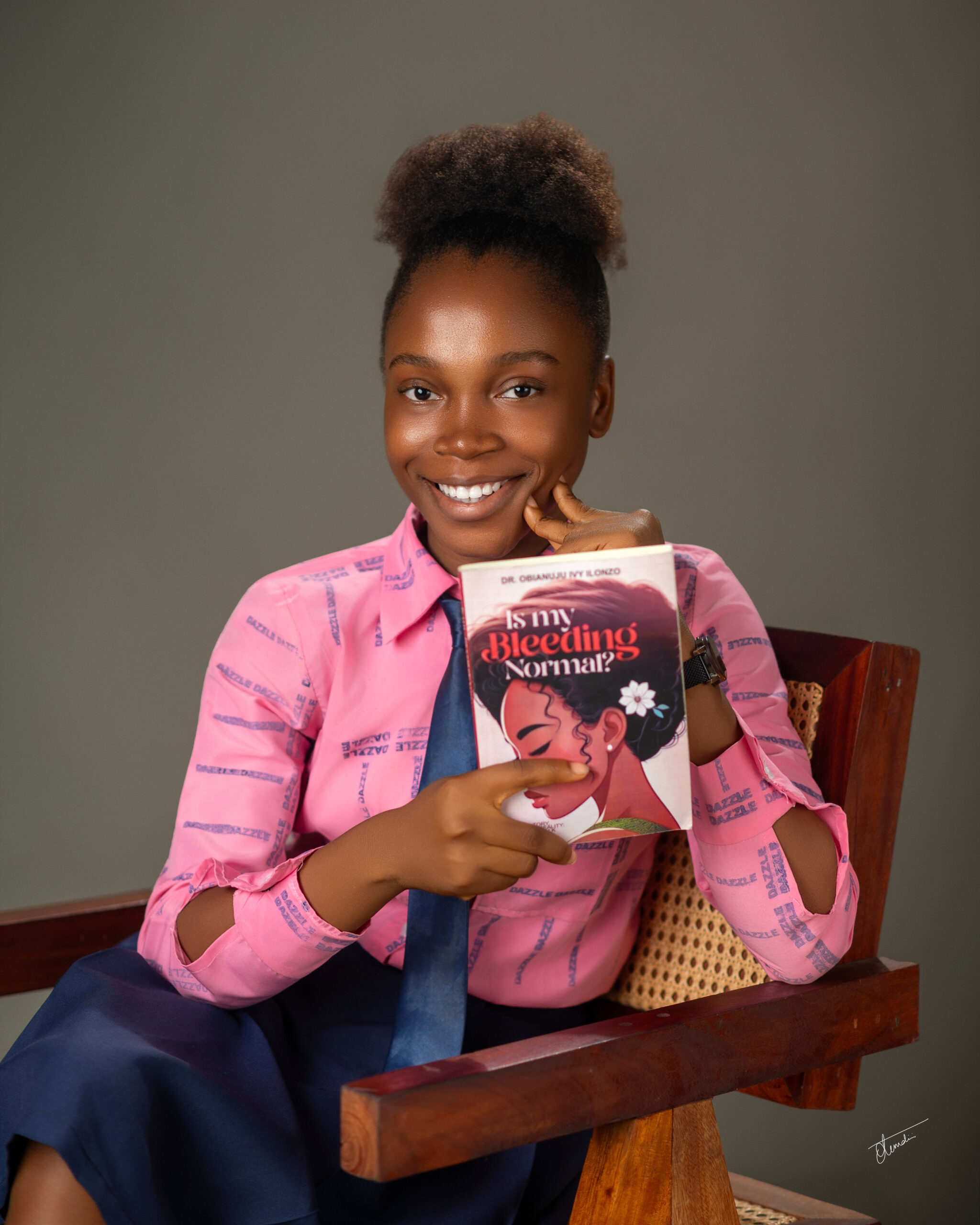
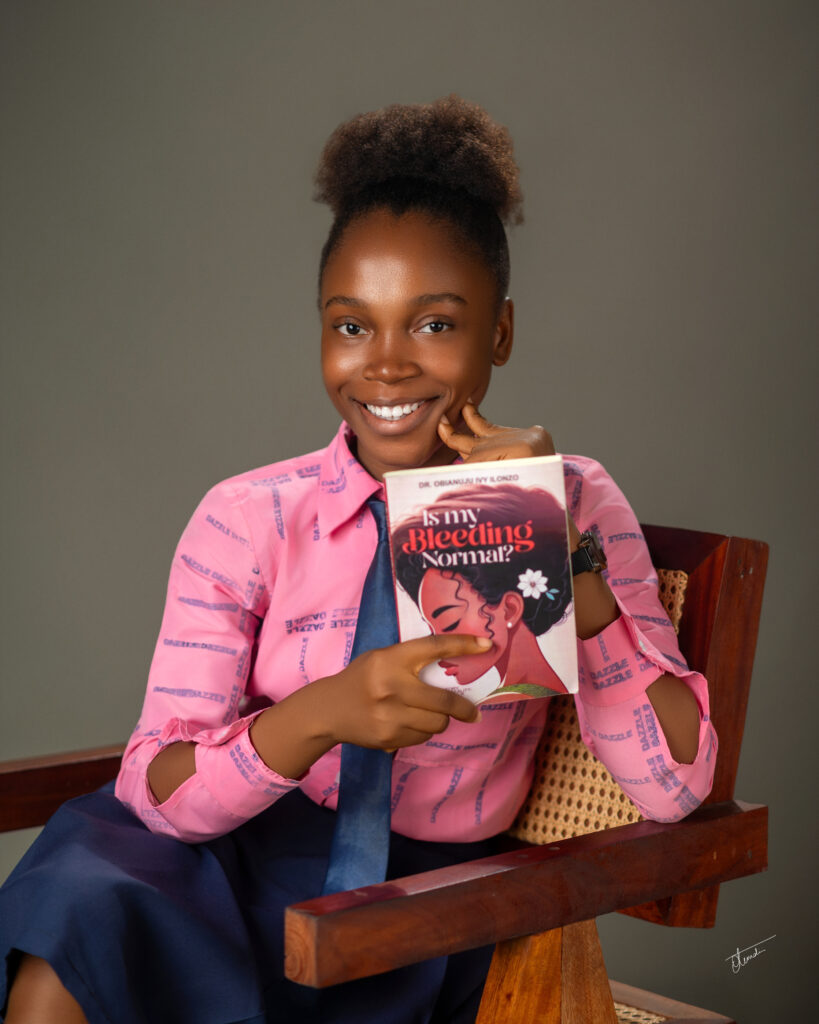
I am inspired by Nigerian menstrual health advocates like Dr Obianuju Ivy Ilonzo, whose work in menstrual health education shows that individuals can create meaningful change. Her story reminds me that advocacy is not about how big you start, but how consistent you remain.
In my community, period poverty and a lack of proper menstrual health awareness remain major barriers to menstrual dignity. Some girls still miss school during their periods because they cannot afford sanitary products. Whenever possible, I encourage small donation efforts and awareness campaigns that highlight the importance of supporting girls. Even conversations alone can begin to shift mindsets and reduce stigma.
Promoting menstrual health awareness has transformed me into a more confident and compassionate leader. It has taught me that true caregiving is not just about providing materials, but also about providing knowledge, empathy and support. When girls understand their bodies, they gain confidence. When they are supported, they thrive.
In conclusion, my role in promoting menstrual health awareness in my community is built on lived experience, empathy and action. Through peer education and open dialogue, I am helping to replace shame with knowledge and silence with strength. I envision a community where no girl feels embarrassed about her period, where menstruation is discussed openly, and where every girl can attend school confidently every day of the month.
Menstruation is not a weakness. It is a natural part of reproductive health, and no girl should ever feel ashamed of it. As a young advocate, I am committed to helping ensure that every girl in my community can experience her period with dignity, confidence and pride.